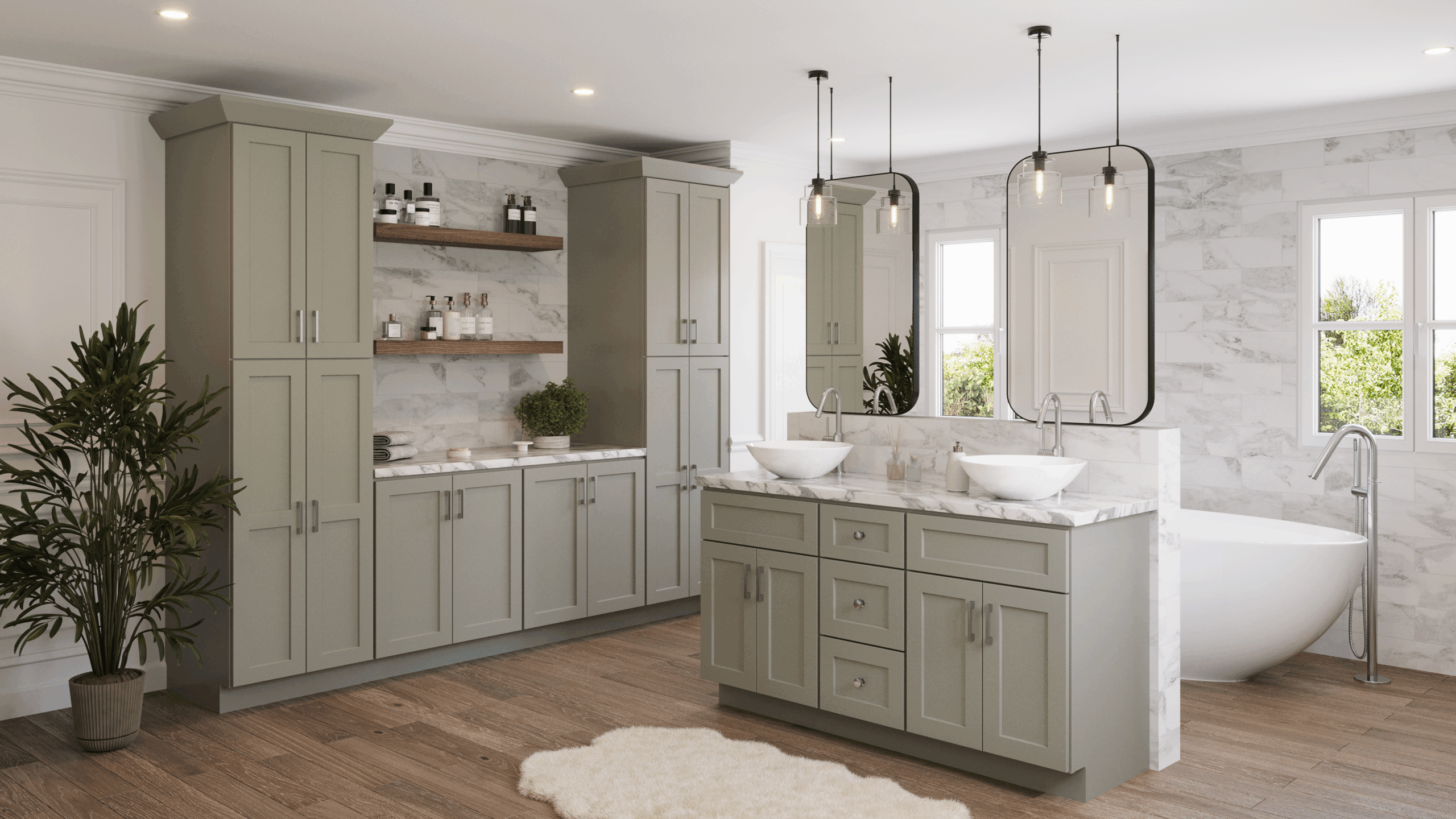
The Art of Mixing Materials: Creating Unique Kitchen Designs Jun 29, 2026
Designing a unique kitchen begins with a clear vision and an understanding of how different materials work together. The combination of wood, metal, stone, and glass can create depth and character, making your kitchen stand out. Blending these elements thoughtfully can provide a backdrop where color, texture, and functionality coexist seamlessly.
Begin by choosing a predominant material. For many, this is often wood due to its warmth and versatility. Incorporating various wood finishes in the form of cabinets, flooring, or countertops can establish a natural and inviting atmosphere. For a contemporary twist, consider pairing wooden elements with stainless steel appliances or chrome fixtures. The sleekness of metal offers a striking contrast to the natural beauty of wood, providing a modern edge without sacrificing comfort.
Stone is another material that can elevate your kitchen design. Whether it is elegant marble countertops, rugged slate flooring, or a sleek granite backsplash, stone offers a range of possibilities. It is not only durable but also adds a layer of luxury. Complement your stone surfaces with soft, neutral tones in your cabinetry or use lighting to highlight its unique patterns and textures.
For those who crave a bit of industrial flair, incorporating metals such as copper or brass can bring warmth and sophistication. These materials can be used in light fixtures, faucets, or as accents in your cabinetry. Their reflective qualities enhance lighting within the space, creating a vibrant and energetic environment. Additionally, metals can act as a bridge between rustic elements and modern design, providing balance.
Glass is another material that should not be overlooked when mixing materials in kitchen design. It introduces light, openness, and can make smaller kitchens feel more spacious. Consider glass cabinet doors to showcase beautiful dishware or a glass tile backsplash for a sleek, clean look. Glass works exceptionally well with both traditional and modern elements, making it a versatile component in any kitchen design.
Textiles, too, can play a role in creating unique kitchens. Incorporate fabric in the form of window treatments, chair upholstery, or even a rug under the dining area. These soft elements can add color and texture, further personalizing your kitchen space. They can also introduce patterns that complement or contrast with the harder surfaces and materials.
The art of mixing materials is all about balance and cohesion. It is crucial to create a harmonious blend where no single element overpowers the other. Keep in mind the overall theme and color palette to ensure the different materials support the visual narrative you wish to tell.
In conclusion, mixing materials in kitchen design is a creative process that can yield spectacular results. At FineCraft Renovations, we are passionate about helping you transform your kitchen into a space that reflects your personality and style. Whether you prefer a rustic charm, modern sophistication, or a blend of both, the right combination of materials can turn your kitchen into a masterpiece that you will enjoy for years to come. Consider consulting with our experts to bring your vision to life. Let us help you create a kitchen that is as unique as you are.
/filters:no_upscale()/filters:format(webp)/media/060e0d55-919a-4a2e-b734-bf04bb4f0353.png)